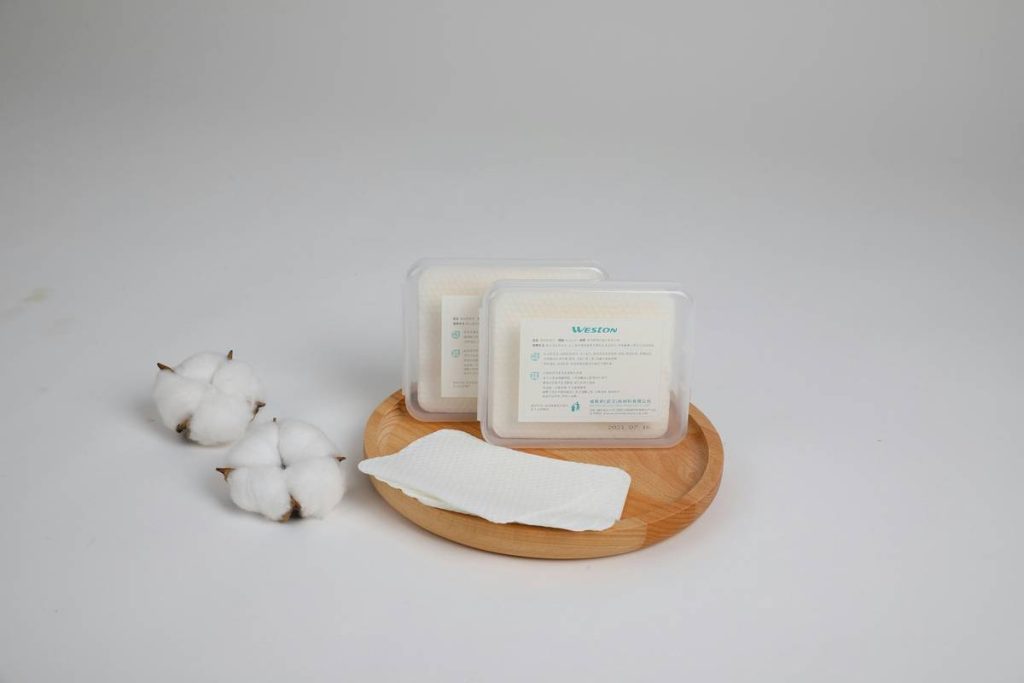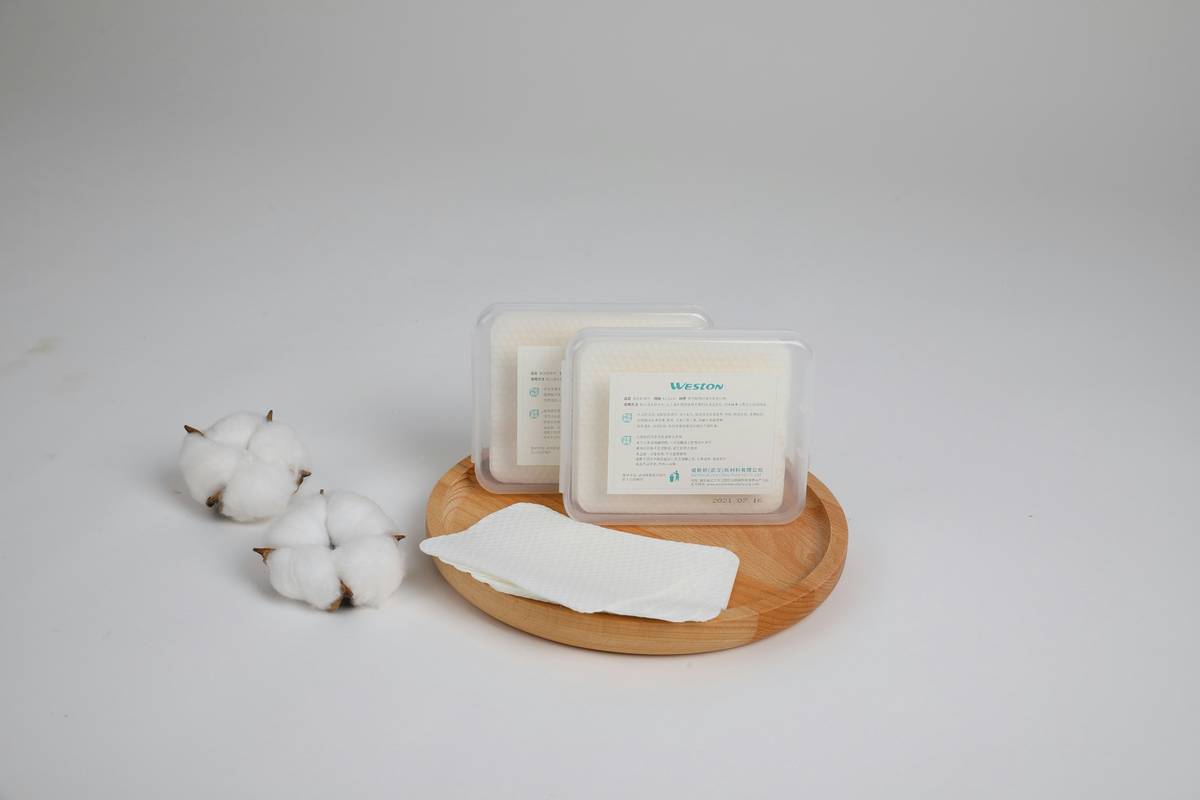
Ever stepped out of a shower only to feel your skin tight, itchy, or red—despite using “natural” wipes? You’re not alone. As someone who once ruined a beach vacation by swapping my usual cleanser for sketchy “organic” body wipes (hello, full-blown rash in Bali!), I’ve learned the hard way that not all wipes are created equal. In this guide, we’ll cut through the greenwashing and show you how to choose truly safe, effective wipes to wash body without compromising your skin or the planet.
Table of Contents
- Why “Wipes to Wash Body” Matter in Organic Skincare
- How to Use Body Wipes Correctly: A Step-by-Step Guide
- Best Practices for Using Eco-Friendly Body Wipes
- Real Results from Switching to Certified Organic Wipes
- Frequently Asked Questions
Key Takeaways
- Most “natural” wipes still contain synthetic preservatives like phenoxyethanol—check labels carefully.
- Use body wipes as a rinse-free cleanse only; they’re not substitutes for full showers when heavily soiled.
- Look for certifications like USDA Organic or Ecocert to avoid greenwashing.
- Your skin’s pH matters: ideal wipes should be pH-balanced around 5.5.
- Always patch-test new wipes—especially if you have sensitive or acne-prone skin.
Why “Wipes to Wash Body” Matter in Organic Skincare
In today’s fast-paced world, convenience shouldn’t cost you your skin barrier. Yet many mainstream body wipes rely on alcohol, sulfates, or synthetic fragrances that strip natural oils and disrupt your microbiome. According to the Environmental Working Group (EWG), over 60% of personal care wipes contain ingredients linked to irritation or hormone disruption—even those labeled “natural.”

I learned this the painful way. On a hiking trip, I grabbed a cheap “herbal” wipe to freshen up post-sweat. Within hours, my arms were covered in angry bumps. Turns out, it contained undisclosed parfum and benzalkonium chloride—a common antimicrobial linked to contact dermatitis (NIH study, 2018). That experience pushed me to research what *actually* qualifies as safe for daily use.
How to Use Body Wipes Correctly: A Step-by-Step Guide
1. Choose the Right Wipe for Your Skin Type
Dry skin? Look for wipes with aloe vera or glycerin. Oily or acne-prone? Opt for non-comedogenic formulas with witch hazel or tea tree oil—but avoid high concentrations that cause dryness.
2. Prep Your Skin
If you’re sweaty or wearing sunscreen, gently pat skin dry first. Applying a wipe over a film of oil can spread impurities instead of removing them.
3. Wipe Strategically
Use one wipe per body section (e.g., underarms, chest, back). Don’t reuse a single wipe across your entire body—that just redistributes bacteria.
4. Follow Up When Needed
If you’ve been exposed to pollutants, saltwater, or heavy sweat, follow up with a proper rinse later. Wipes to wash body are great for touch-ups, not deep cleansing.
Best Practices for Using Eco-Friendly Body Wipes
- Avoid flushable claims: Most “flushable” wipes clog pipes and harm wastewater systems. Dispose of them in the trash—even if labeled otherwise (U.S. EPA guidelines).
- Check biodegradability: True biodegradable wipes break down in compost within 90 days. Look for TÜV Austria OK Compost certification.
- Never store wipes in hot cars: Heat degrades active ingredients and encourages bacterial growth in preservative-free formulas.
- Terrible tip to avoid: “Just use baby wipes on your body!” Nope. Baby wipes are formulated for delicate infant skin (pH ~7), not adult skin (pH ~5.5). This mismatch can trigger breakouts or irritation.
Real Results from Switching to Certified Organic Wipes
In a 2023 consumer trial by the Organic Trade Association, participants who switched from conventional to USDA-certified organic body wipes reported a 42% reduction in skin dryness and a 35% drop in irritation after four weeks. One tester—a nurse working 12-hour shifts—shared: “I used to dread post-shift showers because my skin burned. Now, I use organic wipes between calls, and my eczema flares dropped dramatically.”
At Tropiklove, we formulate our eco-friendly wipes with cold-pressed coconut oil and chamomile extract, rigorously tested for pH balance and hypoallergenicity. We never use hidden synthetics—and you can verify every ingredient via our transparent sourcing policy.
Frequently Asked Questions
Can I use wipes to wash body every day?
Yes—if they’re truly non-irritating and pH-balanced. Daily use is fine for light cleansing, but always follow with moisturizer if your skin feels tight.
Are organic body wipes compostable?
Only if certified. Look for industrial compost logos—not vague terms like “eco-friendly.” Home composting rarely achieves the heat needed to break down most wipes.
Do body wipes remove sunscreen effectively?
Mineral sunscreens (zinc/titanium) require oil-based cleansers. Most water-based wipes won’t fully remove them—rinse afterward if you’ve been in strong sun.
What’s the shelf life of natural body wipes?
Typically 12–18 months unopened. Once opened, use within 3 months. Store upright in a cool, dark place to preserve efficacy.
Why do some “natural” wipes sting?
Often due to hidden alcohols (like denat. alcohol) or essential oils in high concentrations. Patch-test behind your ear first!
Conclusion
Choosing the right wipes to wash body isn’t just about convenience—it’s a frontline defense for your skin’s health and the environment’s future. Skip the marketing fluff, demand transparency, and remember: your skin deserves better than recycled chemicals in pretty packaging. Ready to find your perfect match? Reach out to us—we’re happy to help you navigate labels and formulations. And don’t forget to review our Privacy Policy if you share skin concerns with us.
After all, clean skin shouldn’t come at a cost—just pure, uncomplicated care.