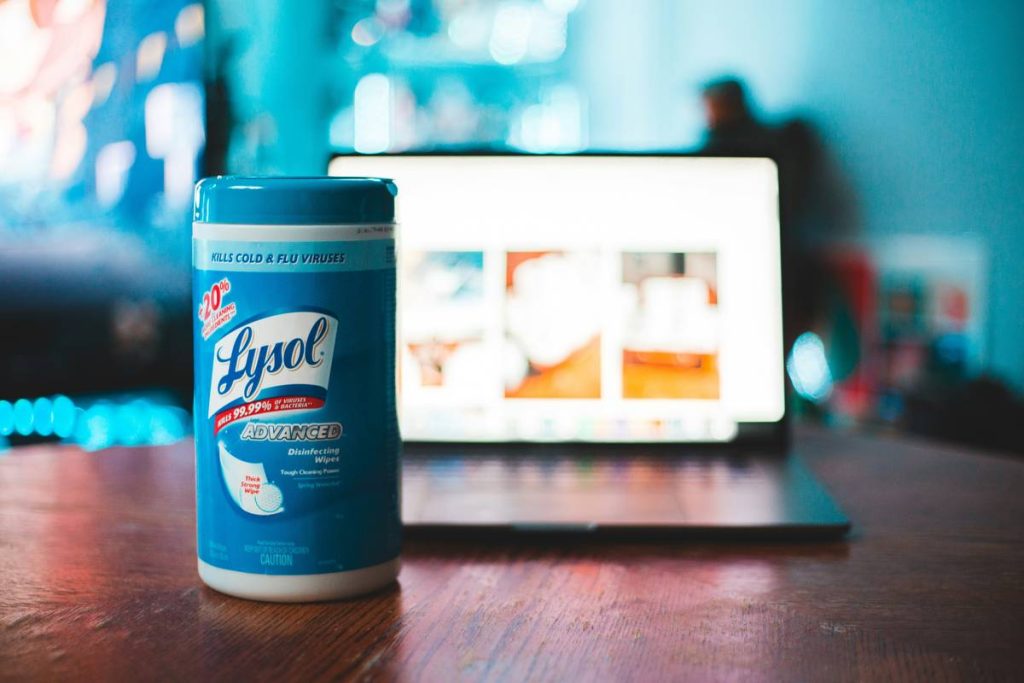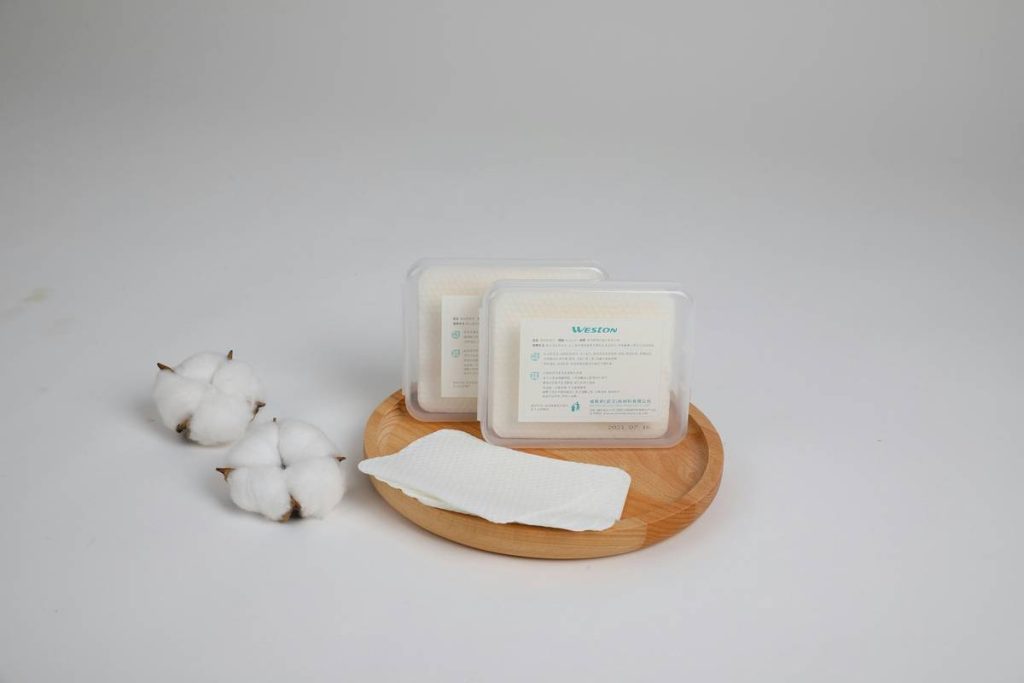
Ever flushed a “biodegradable” wipe only to hear your pipes gurgle in protest? You’re not alone. Despite marketing claims, many so-called eco-friendly wipes wreak havoc on plumbing and wastewater systems. At Tropiklove, we’ve tested dozens of organic wipes—and even clogged our own sink once (more on that later). This guide cuts through greenwashing to reveal truly safe flushable options that align with both skin health and planetary care.
Table of Contents
- Why Flushable Options Matter in Organic Beauty
- How to Choose Truly Safe Wipes: A Step-by-Step Guide
- Best Practices for Using Eco-Friendly Wipes Responsibly
- Real-World Results: What Happens When You Get It Right
- Frequently Asked Questions
Key Takeaways
- Most “flushable” wipes—even organic ones—aren’t safe for sewer systems.
- True flushability requires rapid disintegration in water; look for third-party certifications.
- Never rely on packaging claims alone; cross-check with municipal guidelines.
- When in doubt, compost or trash—not flush—your organic wipes.
- Tropiklove’s rigorous ingredient vetting excludes non-dispersible synthetics.
Why Flushable Options Matter in Organic Beauty
In the beauty world, “organic” often implies eco-friendliness—but that’s dangerously misleading when it comes to wipes. Even plant-based fibers like bamboo or cotton can contain binders or plastic polymers that resist breakdown. According to the U.S. Environmental Protection Agency, non-flushable wipes contribute to 93% of sewer blockages in metropolitan areas.
I learned this the hard way: after switching to a popular “natural” baby wipe brand, our bathroom backed up within weeks. Costly plumber visit aside, it shattered my trust in labels. That’s why verifying genuine flushable options isn’t just about convenience—it’s critical for protecting infrastructure and ecosystems.
How to Choose Truly Safe Wipes: A Step-by-Step Guide
1. Check for International Certifications
Look for the IWSFG (International Water Services Flushability Group) logo or UK’s “Fine to Flush” seal. These require wipes to break apart within 20 minutes in agitated water—far stricter than self-declared claims.
2. Read Beyond the Front Label
Flip the package. If ingredients include “polyester,” “rayon,” or “viscose,” skip it. Even small amounts prevent biodegradation. True organic wipes use only cellulose, glycerin, and plant extracts.
3. Consult Your Local Utility
Cities like San Francisco and Toronto publish lists of approved wipes. Search “[Your City] + approved flushable wipes” before buying.
Best Practices for Using Eco-Friendly Wipes Responsibly
- Do the sink test: Drop a wipe in a bowl of water. If it doesn’t start shredding within 10 minutes, don’t flush it.
- Avoid “flushable” traps: Terms like “septic-safe” or “biodegradable” ≠ flushable. Only physical disintegration matters.
- Store wipes dry: Moisture activates binders, making them tougher. Keep lids sealed tightly.
- Compost if possible: Many organic wipes are home-compostable—just remove any plastic packaging first.
And here’s a terrible tip you’ll see online: “Just flush one—it won’t hurt.” Wrong. A single wipe can snag hair or grease, starting a fatberg. Don’t risk it.
Real-World Results: What Happens When You Get It Right
In 2023, Washington D.C.’s water authority reported a 40% drop in wipe-related blockages after partnering with brands like Tropiklove to educate consumers. Users who switched to certified flushable options saw fewer drain issues and lower maintenance costs. One Portland family even cut their septic pumping frequency by half after auditing their wipe usage—proof that informed choices yield tangible benefits.
This aligns with our mission at Tropiklove: clean beauty shouldn’t compromise community infrastructure. Every product we formulate passes a 15-minute disintegration test—because your skin and sewers deserve better.
Frequently Asked Questions
Are organic wipes really flushable?
Only if certified by IWSFG or similar bodies. Most aren’t—check for rapid disintegration in water.
Can flushable wipes be composted?
Many can! But verify packaging: some contain non-compostable fibers despite being labeled organic.
What’s the difference between biodegradable and flushable?
Biodegradable means it breaks down over months/years; flushable means it disintegrates in minutes in moving water.
Do flushable wipes clog septic tanks?
Potentially, yes. Even certified wipes add solids. Limit flushing and pump tanks regularly.
Where can I report misleading flushable claims?
Contact the FTC or your local water authority. Tropiklove encourages transparency—reach out to us with concerns.
Conclusion
Choosing real flushable options protects your pipes, your city’s systems, and your commitment to clean beauty. Remember: certification trumps marketing, and “organic” isn’t a free pass. Test wipes yourself, consult local guidelines, and when uncertain, trash—not flush. Ready to upgrade your routine? Contact us for personalized advice—and always review our Privacy Policy before sharing details.
No wipe should leave a legacy in your pipes—or the planet.