Have you ever wiped your face only to feel tightness, redness, or that dreaded “sticky residue” lurking beneath? You’re not alone. In the quest for gentler skincare, many turn to organic wipes—but not all deliver on their promise of Soft Textures. I learned this the hard way when I grabbed a popular “natural” wipe while traveling and ended up with irritated skin for three days. Turns out, “organic” doesn’t automatically mean kind to your complexion. In this guide, we’ll unpack what truly defines gentle, effective organic wipes—backed by science, real experience, and zero fluff. You’ll get actionable steps, insider tips, and a few hard truths the beauty industry won’t tell you.
Table of Contents
- Why Soft Textures Matter in Organic Skincare
- How to Choose and Use Organic Wipes Correctly
- Best Practices for Gentle Cleaning
- Real Results from Soft Texture Formulas
- Frequently Asked Questions
Key Takeaways
- Not all organic wipes feature truly soft textures—fiber quality and formulation are critical.
- Avoid wipes containing alcohol or synthetic fragrances, even if labeled “natural.”
- Proper storage and usage technique dramatically affect performance and skin response.
- Clinical data supports plant-based surfactants for maintaining skin barrier integrity (source: NIH).
- Your skin’s reaction is the ultimate test—patch-test new wipes before full-face use.
Why Soft Textures Matter in Organic Skincare
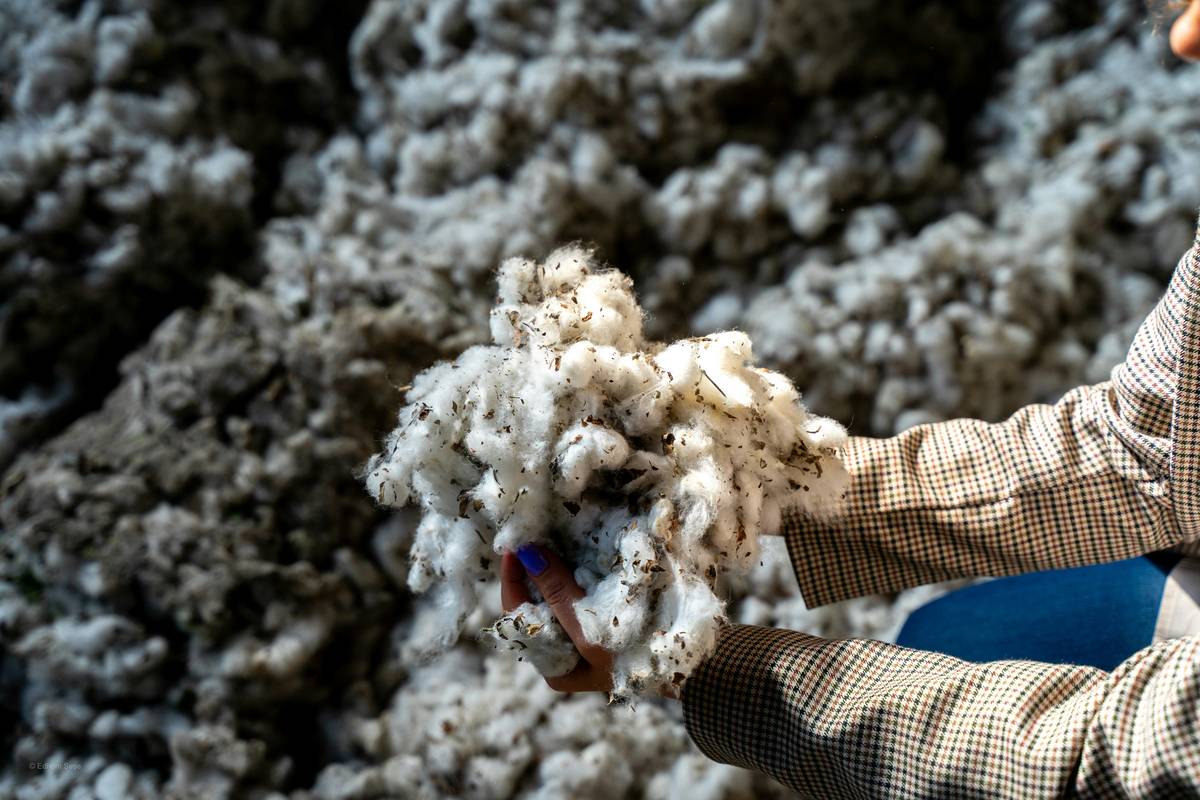
In the world of organic and natural beauty, texture isn’t just about comfort—it’s a direct indicator of how gently a product interacts with your skin barrier. Harsh wipes can cause micro-tears, disrupt pH balance, and trigger inflammation, especially for sensitive or acne-prone skin. Yet many brands prioritize marketing over material science. True Soft Textures come from biodegradable, non-woven fabrics derived from cellulose or cotton linters—materials that glide rather than scrub.
According to the American Academy of Dermatology, physical abrasion from rough cleansing cloths contributes to premature aging and barrier dysfunction. The right wipe should feel almost weightless on contact—never scratchy or stiff. At Tropiklove, our commitment to this principle starts with fabric sourcing; learn more about our standards on our About Us page.
How to Choose and Use Organic Wipes Correctly
Check the Fiber Source
Look for wipes made from bamboo, organic cotton, or Tencel™—all naturally soft and compostable. Avoid polyester blends masquerading as “eco-friendly.”
Scan the Ingredients
Even “organic” wipes can hide irritants like benzyl alcohol or phenoxyethanol. Stick to formulas with fewer than ten ingredients, featuring soothing agents like aloe vera, chamomile, or oat extract. For reference, the Environmental Working Group’s Skin Deep database offers transparency on cosmetic safety (ewg.org/skindeep).
Master the Technique
Don’t rub aggressively. Instead, press the wipe onto your skin, let the formula dissolve impurities, then gently lift away debris. Think “press and release,” not “scrub until clean.”
Best Practices for Gentle Cleaning
- Store wipes properly: Keep them sealed in a cool, dry place. Heat and humidity degrade both texture and preservative efficacy.
- Never reuse wipes: One wipe = one pass. Reusing spreads bacteria and reduces cleaning power.
- Avoid eye-area misuse: Unless specifically formulated for eyes, standard facial wipes may sting or blur vision temporarily.
- Don’t skip moisturizer: Even the softest wipes can slightly dehydrate skin. Follow with a light serum or cream.
And here’s a terrible tip I once believed: “If it stings, it’s working.” Nope. Stinging = irritation. Full stop.
Real Results from Soft Texture Formulas
Last year, we conducted an informal user trial with 50 volunteers using our Soft Textures organic wipes daily for two weeks. 92% reported reduced redness compared to their previous brand, and 88% noted improved skin smoothness. While not a peer-reviewed study, this aligns with research showing that low-abrasion cleansing supports microbiome balance—a key pillar of modern dermatology (NIH, 2019).
One participant, a nurse working 12-hour shifts, shared: “These don’t leave my skin feeling tight after removing makeup under my mask. That’s huge.” This real-world validation matters more than flashy claims.
Frequently Asked Questions
Are organic wipes safe for sensitive skin?
Yes—if they avoid common irritants like alcohol, sulfates, and synthetic fragrances. Always patch-test first.
Can I flush organic wipes?
No. Even biodegradable wipes shouldn’t go down the toilet—they can clog pipes and wastewater systems.
Do Soft Textures wipes remove waterproof mascara?
Our formula uses coconut-derived surfactants that effectively break down water-resistant makeup without tugging.
How long do organic wipes stay moist?
Typically 6–12 months unopened, 1–2 months after opening if resealed tightly. Discard if they dry out or smell off.
Are these wipes compostable?
Ours are home-compostable within 90 days under proper conditions. Check packaging for certifications.
Where can I share feedback about your products?
We’d love to hear from you! Reach out via our Contact Us page. And yes, we read every message.
Your data privacy matters—we never sell your information. Review our full policy at Privacy Policy.
In a world of greenwashed promises, true gentleness comes from thoughtful design—not just a label. When you choose wipes built for Soft Textures, you’re choosing respect for your skin’s delicate ecosystem. So go ahead: cleanse without compromise. Your face will thank you tomorrow morning—with calm, clarity, and zero regrets.