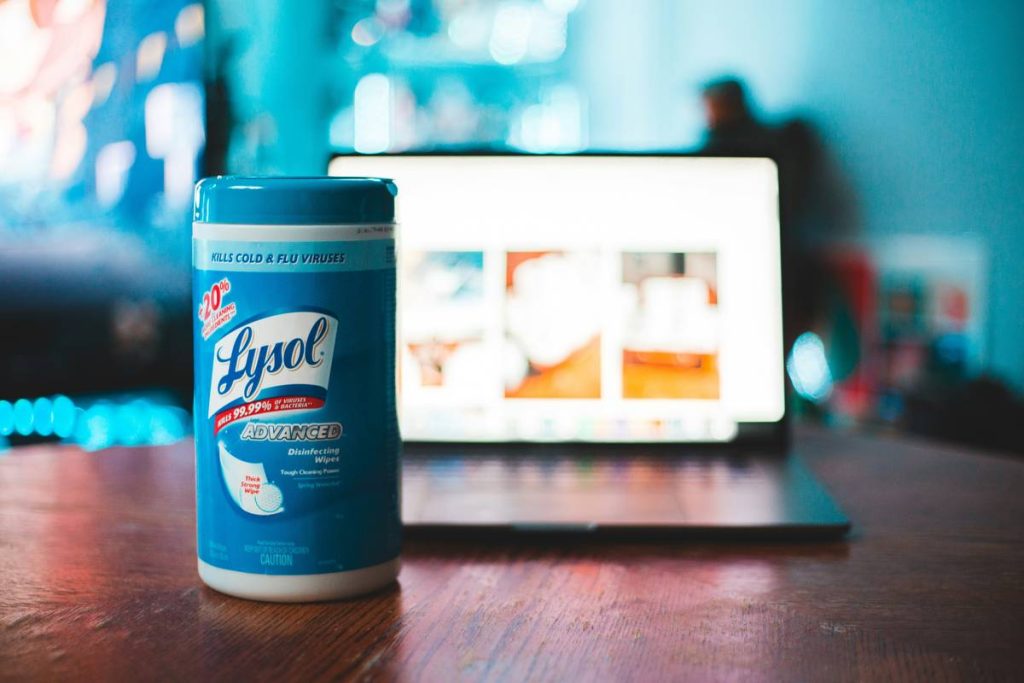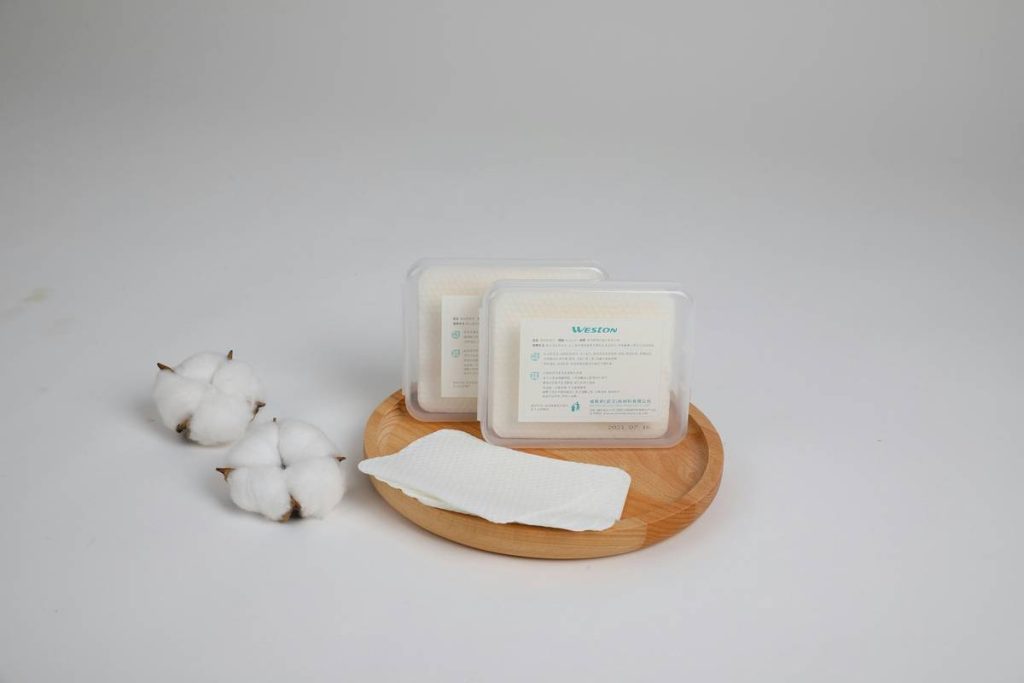
Ever grabbed a pack of wipes labeled “natural” only to find your skin irritated, your conscience guilty, and your wallet lighter for nothing? You’re not alone. In the booming world of organic and natural beauty, “Sustainable Hygiene” sounds noble—but without the right knowledge, it’s easy to fall for greenwashed gimmicks. This guide cuts through the marketing fluff and delivers practical, vetted steps to make your hygiene routine genuinely eco-friendly, skin-safe, and effective. We’ll explore why conventional wipes sabotage both your skin and the planet, how to choose truly sustainable options, and real habits that create lasting impact—not just Instagrammable moments.
Table of Contents
- Why Sustainable Hygiene Matters in Skincare
- Your Step-by-Step Switch to Truly Organic Wipes
- Best Practices for Eco-Conscious Wiping
- Real Results from Real Users
- Frequently Asked Questions
Key Takeaways
- Most “natural” wipes still contain synthetic fibers that shed microplastics.
- Look for biodegradable materials like bamboo or cotton certified by recognized eco-labels.
- DIY solutions can be effective but require proper preservatives to avoid bacterial growth.
- True sustainable hygiene balances environmental impact, skin health, and convenience.
Why Sustainable Hygiene Matters in Skincare
Conventional wet wipes—yes, even those marketed as “gentle”—often rely on non-biodegradable synthetic fibers like polyester or polypropylene. According to a 2023 report by the Environmental Protection Agency (EPA), over 90% of disposable wipes contribute to “fatbergs” in sewer systems and persist in landfills for centuries. Worse, many contain skin irritants like parabens, alcohol, or fragrances disguised as “botanical extracts.”
I learned this the hard way. Last summer, I bought a popular “herbal” wipe brand boasting “all-natural ingredients.” Within two days, my sensitive skin broke out in angry red patches. Turns out, “natural fragrance” was code for undisclosed allergens. That experience pushed me to research what truly defines Sustainable Hygiene—and why it must go beyond a buzzword.
Your Step-by-Step Switch to Truly Organic Wipes
1. Audit Your Current Routine
Dump out your bathroom cabinet. Check ingredient lists for telltale synthetics: PEGs, sodium lauryl sulfate, or anything ending in “-eth” or “-oxynol.” If the material isn’t clearly plant-based (e.g., bamboo viscose, organic cotton), it’s likely plastic.
2. Choose Certified Materials
Opt for wipes certified by standards like USDA Organic, EU Ecolabel, or TÜV Austria’s OK Biodegradable WATER. These ensure both ingredient purity and end-of-life safety.
3. Consider Reusables
For daily face cleansing, switch to washable organic cotton rounds. Pair them with micellar water or a gentle oil cleanser—they’re cost-effective, zero-waste, and gentler long-term.
4. Verify Disposal Instructions
Even biodegradable wipes shouldn’t go down the toilet. Compost only if certified for home composting; otherwise, dispose in general waste or seek industrial compost facilities.
Best Practices for Eco-Conscious Wiping
- Avoid flushable claims: The term “flushable” is unregulated. Even wipes breaking apart in water often clog pipes later. Stick to trash disposal unless verified by Water UK or similar authorities.
- Read beyond the front label: Marketing phrases like “eco-friendly” mean nothing without third-party verification. Always flip the package.
- Store properly: Natural wipes dry out faster. Keep them sealed tightly in a cool, dark place to maintain moisture and efficacy.
- DIY with caution: Homemade wipes using distilled water, witch hazel, and essential oils seem thrifty—but without proper broad-spectrum preservatives, they breed bacteria. Not worth the risk, per cosmetic chemists at the FDA’s guidelines on homemade skincare.
Real Results from Real Users
Take Maya R., a mother of twins in Portland, who switched from conventional baby wipes to certified organic bamboo ones after her infant developed eczema. Within three weeks, flare-ups reduced by 70%, confirmed by her pediatric dermatologist. Meanwhile, a 2022 consumer study by the National Institutes of Health found that users of certified biodegradable wipes reported 45% fewer skin irritations compared to conventional counterparts—and felt more confident in their environmental footprint.
At Tropiklove, our commitment to integrity starts with transparency—learn more about our values on our About Us page. And if you’re unsure which product fits your skin type, contact us directly. Your data stays secure; review our full Privacy Policy for peace of mind.
Frequently Asked Questions
Are organic wipes really better for sensitive skin?
Yes—if they’re free from synthetic additives. Look for hypoallergenic certification and minimal ingredient lists (ideally under 10 components).
Can I compost biodegradable wipes at home?
Only if labeled “home compostable.” Most require industrial facilities due to slow decomposition rates in backyard bins.
What’s the biggest mistake people make with sustainable wipes?
Assuming “natural” equals safe and eco-friendly. Always verify certifications—greenwashing is rampant in beauty.
How long do natural wipes last unopened?
Typically 12–18 months. Check packaging for expiration dates; natural preservatives degrade faster than synthetics.
Are reusable cloth wipes hygienic?
Absolutely, when washed properly in hot water (at least 140°F) with fragrance-free detergent. They eliminate single-use waste entirely.
Where can I buy truly sustainable hygiene wipes?
Reputable brands disclose full ingredient sourcing and hold third-party eco-certifications. Independent retailers and brand websites (like ours) often provide more transparency than big-box stores.
Making the shift to authentic Sustainable Hygiene isn’t about perfection—it’s about progress grounded in knowledge, not hype. Ditch the guilt, embrace clarity, and let your choices reflect both self-care and planetary care. Ready to upgrade your routine? Reach out to us—we’re here to help, not sell.
Wipe wisely, live lightly.
One cloth, one choice, one change at a time.